The Museums
A museum is a theory made visible. His theory, that culture evolves by type, is still on display in Oxford.
The Pitt Rivers Museum at Oxford began as a condition of a gift. In 1884 Augustus Pitt-Rivers offered his founding collection of some 22,000 objects to the University of Oxford, on the explicit understanding that the displays would maintain his typological arrangement. The Deed of Gift bound the university to his principle, and it binds them still: the objects of the world are shown not by where they come from, but by what they are.
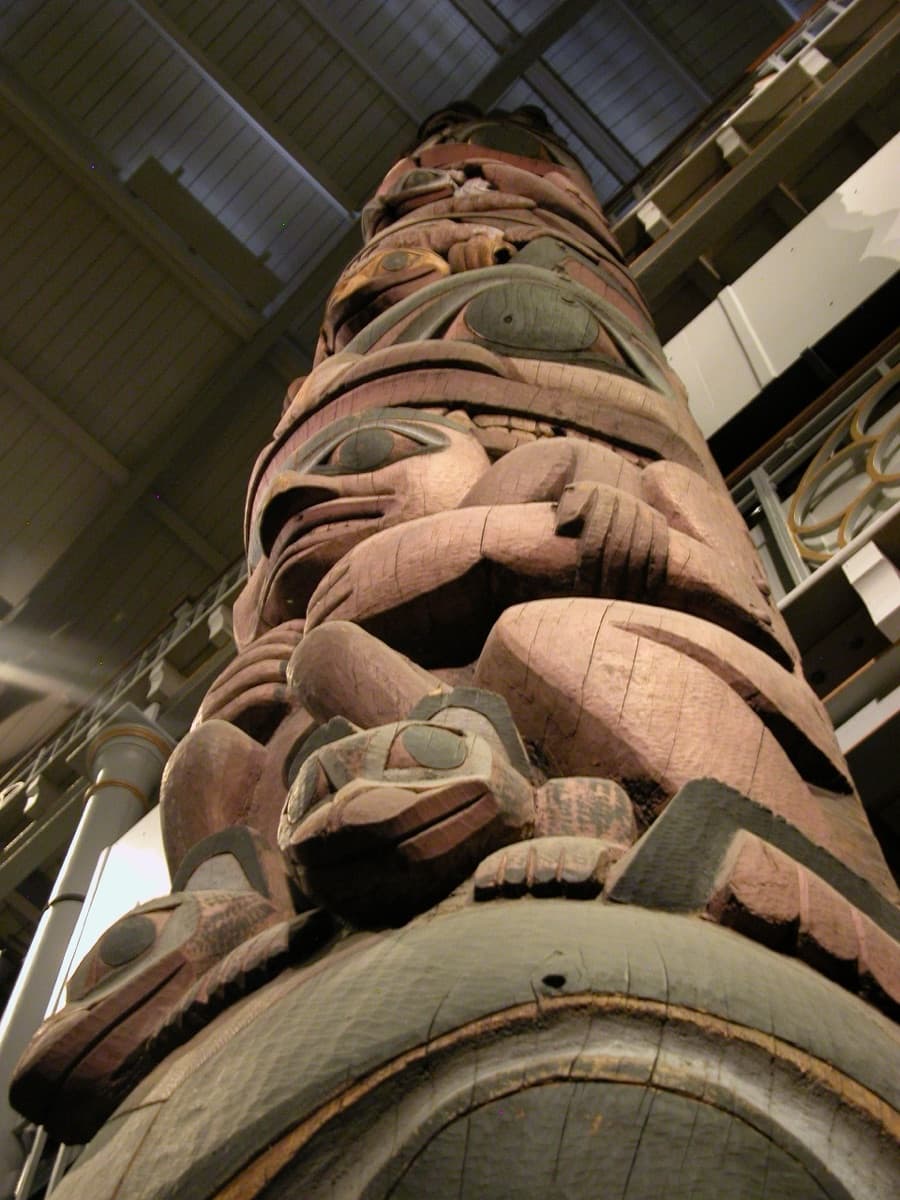
The result is one of the most distinctive museum interiors in the world, with the crowded Victorian cases in which spears stand with spears, looms with looms, in developmental sequence. The museum has grown to more than 600,000 objects, yet the galleries retain the atmosphere of the 1880s, a living monument to his conviction that the ordinary object teaches more than the rare one.
~22,000
Founding gift, 1884
50,000+
Owned in his lifetime
600,000+
In the museum today
The four principles
The rules of arrangement that governed his own museum at Rushmore, and still govern Oxford.
Arrangement by type
Objects grouped by function, with all spears together and all looms together, regardless of region or beauty.
Development in sequence
Within each type, objects ordered to show the evolution of form from simple to complex.
The ordinary over the rare
Typical and everyday specimens preferred to curiosities, because they carry the developmental series.
Instruction over surprise
The museum exists 'solely with a view to instruction', not to astonish the visitor.
The museum today
Where to see the collection in person.
Pitt Rivers Museum · University of Oxford
South Parks Road, Oxford OX1 3PP, England. Admission free. The museum is open to the public and remains one of the most-visited attractions in Oxford.